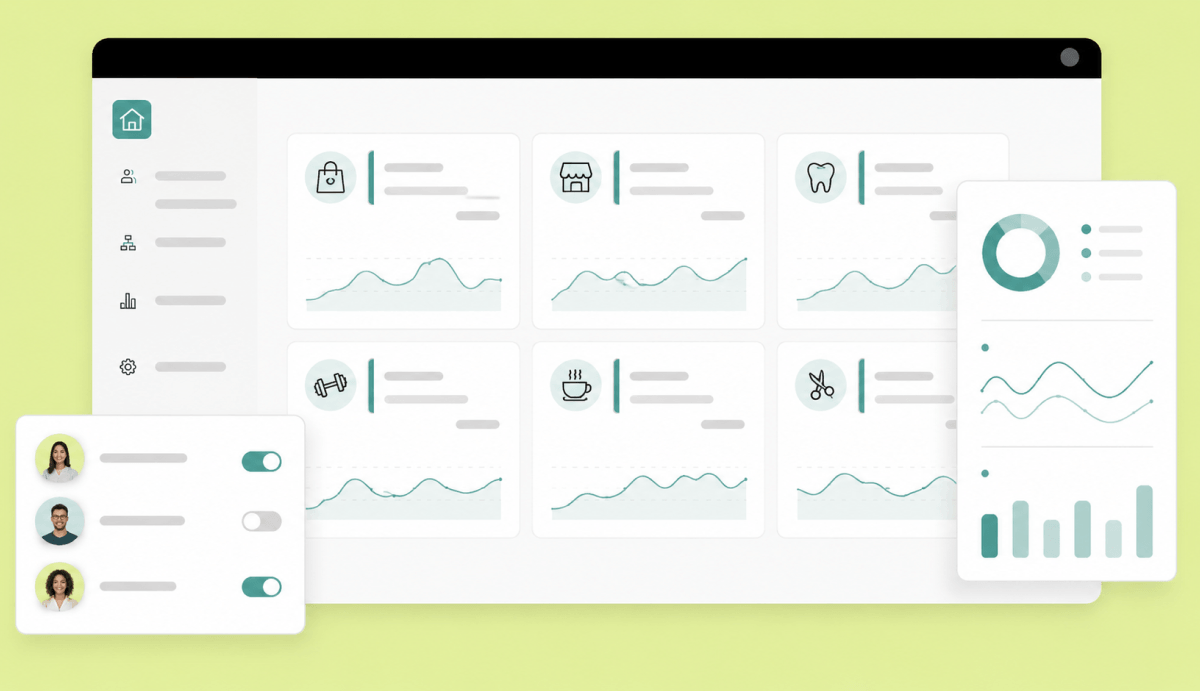
Automate your onboarding now & join 1500+ agencies using Leadsie.
14 day unlimited free trial
Extend until you onboard a client
No credit card required
Keep access to clients if you cancel


Automate your onboarding now & join 1000+ agencies using Leadsie.
Approved by Meta, Google & Tiktok
Keep access to accounts if you cancel
Secure & 100% GDPR compliant


The difference between chaos and control comes down to how well you plan, execute, and measure. Marketing campaign managers that use agile project management are 252% more likely to report success.
Managing one marketing campaign is straightforward. Managing five across different channels, clients, and goals? That's where things get messy. With more platforms and audience segments than ever, agencies need a structured approach to keep campaigns on track and delivering results.
The good news: it doesn't have to be overwhelming.
In this guide, we walk through actionable strategies to help you manage multiple campaigns at once. We also cover the types of campaigns you should know and how to craft a compelling one from scratch.
EXTRA: Structure your marketing campaign management strategy with our free-to-use templates below! 😄👇
Marketing campaign management is the process of planning, executing, tracking, and optimizing marketing initiatives to achieve specific business objectives.
Typically led by a marketing campaign manager, this process covers the full campaign lifecycle. That includes setting goals, defining target audiences, selecting channels, creating content, launching initiatives, and measuring performance.
A campaign is more than a single channel or tactic. It's a coordinated effort designed to achieve a clear outcome, whether that's generating leads, launching a product, or expanding into a new market.
Key activities include:
"The most successful campaigns are grounded in clear strategy, agile execution, and continuous optimization,"
- Byron Readhead, GM at First Page Australia
The campaign manager's job isn't to own every channel. It's to orchestrate them. They collaborate with internal marketing teams, external agencies, and sales operations to keep everything aligned.
Strong campaign managers typically excel at strategic goal-setting, audience definition, cross-channel coordination, and measurement. The use of campaign management software is common to streamline content creation and track campaign effectiveness.
Running dozens (or hundreds) of campaigns across many clients simultaneously is a core operational challenge for agencies. At this scale, your workflows and operational processes is your literal competitive advantage over other marketing agencies.
Here's how the best ones handle it:
Each client is assigned a core team, typically an Account Manager (client-facing), a Strategist, creatives, and a media buyer. This creates clear ownership and prevents confusion across accounts.
Many mid-to-large agencies organize into "pods". These are small, self-sufficient units that each handle a handful of clients end-to-end. This keeps teams focused without siloing expertise.
Project managmement tools like Asana, Monday.com, or Teamwork allow agencies to track every deliverable, deadline, and dependency across all clients in one place.
Platforms like HubSpot or custom portals keep client communications, briefs, and approvals organized and auditable.
Tools like Sprinklr, Hootsuite, or agency-tier Google/Meta dashboards let teams manage, schedule, and monitor campaigns across multiple client accounts from a unified interface.
Automated dashboards and reporting software for agencies pull live data across all client campaigns, so account managers can spot issues instantly without manual digging.
Agencies use templated creative briefs and onboarding checklists so every new campaign starts from the same structured baseline, reducing rework and miscommunication. Learn about the 7-Step Client Onboarding Process for Marketing Agencies.
Shared, visible calendars (often per-client and agency-wide) map out every launch, review deadline, and go-live date. This prevents bottlenecks where too many campaigns compete for the same creative resources at once.
Strict internal review → client review → sign-off loops (often managed in project management software) ensure nothing goes live without the right eyes on it.
Limited resources is a reality at all agencies. Not all clients get equal attention at all times. Agencies quietly tier accounts by revenue, contract scope, or urgency, allocating senior talent and faster turnaround to priority accounts.
Internal team standups per client + regular client-facing check-ins create accountability loops without requiring constant ad-hoc communication.
Leadership at established agencies uses rollup views to see health across all accounts at a glance, flagging at-risk campaigns, missed KPIs, or overloaded team members early.
After major campaigns, teams should review what worked and what didn't, feeding learnings back into templates and playbooks so the whole agency improves over time.
Senior strategists focus on strategy across accounts; junior staff handle execution. Online Marketing Gurus has a dedicated client onboarding manager whose job is to get access to new clients' marketing accounts so that the rest of the team can focus on executing creative work. Clear lanes prevent chaos.
Internal wikis (Notion, Confluence) store client histories, brand guidelines, and past campaign data so institutional knowledge doesn't walk out the door when someone leaves.
Resourcing tools (AKA project management or all-in-one software) prevent individual team members from being spread across too many accounts at once.
Campaign management connects marketing activity to real business impact. Without it, teams can report on clicks and impressions, but struggle to prove whether a campaign hit its goals or what return it generated.
Here are the key benefits:
1. Client satisfaction: Well-managed campaigns demonstrate your agency's ability to deliver results. When campaigns consistently reflect a client's brand values and reach new audiences, the outcomes speak for themselves. And happy clients don't just stay, they refer.
2. Insights into consumer behavior: Data-driven marketing gives agencies a clear picture of how consumers interact with a brand. By tracking CTRs, conversion rates, and engagement across channels, agencies can tailor content to specific audiences and continually sharpen their targeting.
3. Customer retention: Strong campaign management keeps your work aligned with client expectations. Agencies that proactively understand client needs and adjust strategies accordingly are the ones that build long-term trust and keep clients longest.
🔗 Related article: 7 Client Retention Strategies Your Agency Needs
4. Cross-team collaboration: A shared campaign plan prevents teams from working in silos. When internal teams, freelancers, and client stakeholders operate from the same playbook, miscommunication and duplicated effort drop significantly.
5. Consistent brand messaging: Managed campaigns ensure a consistent message across every channel, social, email, and content alike. That consistency builds audience trust and reinforces your client's positioning.
Let’s take a look at some of the most common types of marketing campaigns, each with its own objectives and strategies, and real-life examples of successful initiatives:
Social media marketers create organic posts and run paid ads on social media platforms. Social media advertising (paid social) is the second biggest market in digital ads. The goal is to increase brand awareness and drive meaningful interactions.
A social media campaign uses platforms like Facebook, Instagram, and LinkedIn to share content and engage target audiences. Unlike other types of campaigns, social media advertising is far more interactive, as users can often engage with DMs, likes, comments, and reactions.
Examples of social media content include:
There are over 2.77 billion social media users globally, so managing online advertising on social media channels can be a valuable way to engage with a large audience without requiring an existing follower list to start.

Ryanair is an Irish airline known for its low budget flights across Europe and the United Kingdom. While their ultra-cheap flight tickets have been a big part of their success, their social media campaigns has led to a large online follower base that consistently engages with the brand.
So, how did Ryanair become so popular online? Humor!

From their famous memes to the use of UGC, Ryanair’s marketing campaign has succeeded in the following ways:
Conclusion: Market research is crucial in understanding a brand’s audience. By leveraging this insight into your target users, you can create content that is engaging and relatable to them.
This popular marketing approach leverages email as a primary channel to engage, acquire, and retain customers.
These campaigns consist of a series of coordinated emails over time, each with distinct calls to action (CTAs). They aim to drive various actions, from purchases to webinar sign-ups.
Typical content used in email marketing campaigns includes:
With 87% of brands insisting that email marketing is critical to business success, integrating it into your marketing strategy can greatly improve conversion rates and customer retention.

FusionBelts is an ecommerce brand that specializes in activewear belts.
After reaching out to EmberTribe, a popular digital ad agency, they employed an email campaign to promote their belts to their existing email list.
The results? A $1,000 increase in daily revenue! 😯
Here’s how EmberTribe uses email marketing techniques to drive sales:
Conclusion: Unique content and personalized marketing messages are essential elements for creating a successful email marketing campaign that nurtures existing customer relationships and drives sales.
A content marketing campaign is the distribution of valuable, engaging content to acquire and engage a specific target audience.
This campaign aims not to promote a product but to demonstrate industry expertise and deliver value through informative content.
Search Engine Optimization (SEO) is a big part of an effective content marketing initiative, making it possible for your content to drive targeted traffic.
Typical content types utilized in a content marketing campaign include:
Content marketing generates over 3x as many leads as outbound marketing. It costs 62% less, making it a cost-effective initiative to build relationships with potential customers.

HubSpot is a leading inbound marketing and sales software. The brand is well-known for its comprehensive content marketing campaigns, the most notable one being the HubSpot Academy campaign, which offers educational content and courses to help professionals improve their marketing skills.
How did that go? Over 100,000+ people become certified through their programs!
Here’s how HubSpot Academy became such a successful marketing campaign:
Conclusion: SEO best practices and informational content are essential in building brand trust and driving organic traffic.
Regardless of the specific scope or type of campaign, these elements form the backbone of any well-structured campaign. Feel free to customize and build on these templates!
Define clear objectives, align them with SMART goals, and establish relevant KPIs for measuring success and lead generation.
🔗 Template: Goal-setting and KPIs marketing campaigns
Utilize market research and client data to segment your audience and tailor messaging for maximum impact. Audience research is necessary to identify the target market of potential buyers.
🔗 Template: Understanding your target audience
Set a budget, allocate resources efficiently, and monitor ROI to optimize spending.
🔗 Template: Setting budgets for marketing campaigns
Select marketing channels based on your target audience and campaign goals, prioritizing channels most likely to reach them effectively.
🔗 Template: How to choose the right marketing channels for campaigns
Develop engaging content tailored to your audience and channels. Experiment with and test different types of content and styles to see what resonates best.
🔗 Template: Content creation template for marketing campaigns
Use analytics tools to track performance against key metrics, identify areas for improvement, and refine your campaign for optimal results. Start with the social media platform’s built-in (native) analytics tools whenever possible, as they tend to be the most accurate.
🔗 Download the monitoring, analysis, and optimization template here.
Need more suggestions? See our list of Best marketing agency reporting software (for SEO and PPC)
Every day spent waiting for account access is a day you're not launching campaigns, delivering results, or generating revenue.
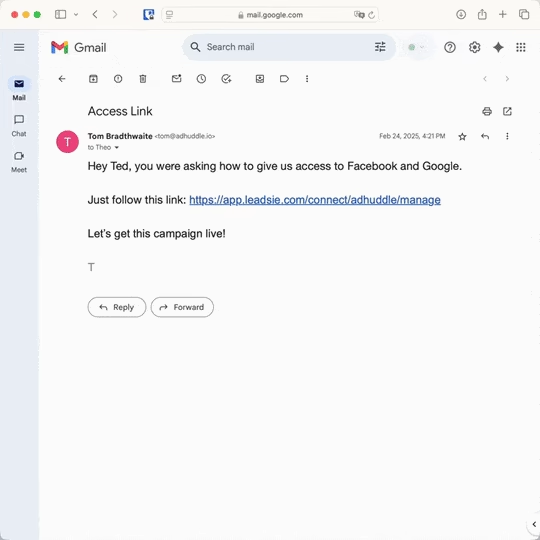
Leadsie is a client onboarding software that helps agencies request and receive access to client marketing, advertising, and social media accounts with one secure link. Instead of managing endless emails, permission requests, and troubleshooting sessions, you send a link to your client, they approve the permissions you've requested, and you get access in minutes, not days.
Clients can grant access to Meta, Google, LinkedIn, TikTok, Shopify, and 14+ other marketing platforms without sharing passwords.
✅ Request, manage, and remove client access from one place
✅ Replace hours of emails, admin work, and onboarding calls
✅ Scale client onboarding without adding operational overhead
✅ Reduce your agency's turnaround time by over 50%
✅ Start billable work and billing cycles sooner
✅ Create a professional onboarding experience that helps retain clients
✅ Keep access secure with 100% GDPR and CCPA-compliant workflows
💬 "I never want to do onboarding without Leadsie!" - Alyssa, Meta Ads Manager
🎁 Start your free 14-day trial today —no credit card required.
P.S. It's risk-free, and you get to keep your account connections after the trial ends. 🙌

Nina is an SEO content specialist with expertise in B2B SaaS. She helps businesses increase organic traffic with strategic, high-quality content. Outside of work, you’ll find her sailing somewhere in the Mediterranean.


Automate your onboarding now & join 1500+ agencies using Leadsie.
14 day unlimited trial
Extend until you onboard a client
No credit card required
Keep access to accounts if you cancel
Approved by Meta, Google & TikTok
Secure & 100% GDPR compliant
Automate your onboarding now & join 1000+ agencies using Leadsie.
Approved by Meta, Google & Tiktok
Keep access to accounts if you cancel
Secure & 100% GDPR compliant
There's no universal answer, but the core stack most agencies converge on includes a project management tool (Asana, Monday.com, or ClickUp), a communication tool (Slack), a reporting/dashboard tool (Looker Studio or DashThis), and whatever native ad platforms your clients use. The bigger issue isn't which tools, it's enforcement. Tools only work if the whole team uses them consistently, which requires clear processes and leadership buy-in.
This is one of the most common and damaging scaling failures in agencies. The fix is proactive documentation: client history, campaign rationale, brand preferences, and relationship notes should live in a shared system (Notion, a CRM, or even a shared Google Doc), not in one person's head or inbox. Make documentation a non-negotiable part of the account management role, not an afterthought.
Quality at scale requires documented standards, not just talented people. If your best work lives in a senior employee's instincts, it won't survive growth. Build templates, creative briefs, and QA checklists that define what "good" looks like. Pair that with structured internal reviews before anything goes to the client.
🔗 Related article: How to Scale a Meta Ads Agency: The Systems and Processes You Need
This is mostly about communication rituals, not headcount. Regular check-in calls, proactive updates (not just reports), and making sure clients feel heard go further than having the CEO on every call. The risk is when clients feel handed off to junior staff with no visibility into senior thinking. Solve that with occasional senior touchpoints and transparency about who's doing what on their account.
The honest answer is: earlier than feels comfortable. Most agencies hire reactively, after quality has already slipped or the team is visibly burning out. A better signal is when senior people are consistently doing work that a more junior hire could handle, or when new client inquiries are being turned down due to capacity. If you're asking the question, you've probably already waited too long.
🔗 Related article: How to Hire for Your Marketing Agency + 20 Interview Questions to Ask
Early on, generalists give you flexibility and are easier to keep busy across accounts. As you grow, specialists (dedicated media buyers, dedicated creatives, dedicated strategists) tend to produce higher quality work and are easier to train. Most agencies move toward specialization around the 15–25 employee mark, but the right time depends on how homogenous your client base is.
Questions unanswered? Check out our help center or get in touch 🤠
© Leadsie Ltd 2024